 Singapore
 Malaysia

Volunteer Management System Singapore: Smart Digital Solutions to Power Nonprofits with ACSEMS

Volunteer Management System Singapore: Smart Digital Solutions to Power Nonprofits with ACSEMS Small and Medium Enterprises (SMEs) are operating in an increasingly competitive, mobile-first economy. Customers expect faster service, seamless digital experiences, and always-on accessibility. For SMEs, mobile applications are no longer a luxury—they are a strategic necessity. This shift has led many business owners to actively search for the best mobile app development company in Chennai to support their digital ambitions. Chennai has steadily grown into one of India’s most reliable technology ecosystems, known for delivering high-quality mobile applications that balance performance, affordability, and scalability. SMEs trust leading app development companies in Chennai not just for technical expertise, but for their ability to understand business realities and deliver solutions that drive measurable outcomes. This article explores why SMEs consistently place their confidence in trusted mobile app development partners in Chennai and how these partnerships help businesses grow smarter and faster. A Business-First Approach That Aligns with SME Goals Unlike generic development vendors, top mobile app development companies in Chennai focus on understanding the business objectives behind every app. SMEs often need solutions that improve efficiency, increase customer retention, and generate revenue—not just visually appealing applications. By aligning technology with business strategy, Chennai-based developers help SMEs build apps that solve real operational problems. This practical, ROI-driven mindset creates long-term trust and reduces the risk of wasted investment. Cost Efficiency Without Compromising Quality Budget control is critical for SMEs. One of the strongest reasons businesses trust the best mobile app development company in Chennai is the ability to deliver world-class apps at competitive costs. Compared to many global markets, Chennai offers significant development savings while maintaining international quality standards. Industry data indicates that businesses can reduce development costs by up to 50% by working with experienced Indian development teams. For SMEs, this means access to advanced technologies, better features, and ongoing support within a manageable budget. Access to Skilled and Experienced Mobile App Developers Chennai is home to a vast pool of highly skilled mobile app developers with expertise across Android, iOS, and cross-platform technologies. These professionals are trained to work with modern frameworks, secure architectures, and performance-driven designs. SMEs value this technical depth because it ensures: Faster development cycles Fewer post-launch issues Apps that scale smoothly as the business grows Having access to experienced developers builds confidence and reduces project uncertainty. Custom Mobile App Solutions for Diverse Industries Every SME operates differently. Experienced mobile app development teams in Chennai understand that one-size-fits-all solutions rarely work. Instead, they focus on custom app development, tailoring features, workflows, and integrations to the specific needs of each business. Whether it is retail, healthcare, logistics, education, or service-based enterprises, custom-built mobile apps improve usability and deliver higher engagement. This personalized approach is a key reason SMEs continue to trust Chennai-based developers. Faster Time-to-Market with Agile Development Speed is a competitive advantage. SMEs often need to launch quickly to capture market opportunities or respond to customer demands. Leading mobile app development companies in Chennai adopt Agile development methodologies, enabling rapid releases and continuous improvement. Agile workflows allow SMEs to: Test ideas quickly Adapt features based on feedback Reduce development risks Studies show that Agile projects have a significantly higher success rate, making this approach ideal for growing businesses. End-to-End Development and Ongoing Support SMEs prefer partners who can handle the entire app lifecycle. Leading mobile app development companies in Chennai offer end-to-end services—from idea validation and UI/UX design to deployment and post-launch maintenance. This continuity ensures better accountability and smoother communication. Post-launch support is especially important, as most app optimizations and performance improvements occur after users begin interacting with the product. Transparency, Communication, and Trust Clear communication builds confidence. SMEs trust companies that provide transparent pricing, realistic timelines, and regular progress updates. Chennai’s top development firms prioritize structured communication through dedicated project managers and milestone-based reporting. This transparency helps SMEs plan better, avoid surprises, and feel confident about long-term collaboration. Focus on Security, Compliance, and Scalability As data protection regulations grow stricter, SMEs are increasingly concerned about app security. Reputable mobile app development companies in Chennai follow secure coding practices, data encryption standards, and scalable cloud architectures. This future-ready approach ensures that apps remain compliant, secure, and capable of supporting business expansion without costly redevelopment. Conclusion SMEs trust the best mobile app development company in Chennai because these companies deliver more than technical solutions—they deliver business value. With a strong focus on affordability, customization, speed, transparency, and long-term support, Chennai-based developers have become trusted digital partners for growing enterprises. In a rapidly evolving digital landscape, choosing the right mobile app development company is not just a technical decision—it is a strategic move toward sustainable growth. 👉 Schedule your free consultation with ACSEMS today. 📧 Email: techadvisor@acsems.com 📞 Call: +65 6287 6100 💬 WhatsApp: +65 8229 1526 🌐 Website: https://www.odoo-erp.net
AI Workflow Automation in Singapore: Driving Smarter, Faster & Scalable Business Operations with ACSEMS Technology

AI Workflow Automation in Singapore: Driving Smarter, Faster & Scalable Business Operations with ACSEMS Technology Businesses in Singapore operate in one of the most competitive and digitally advanced environments in Asia. Organizations are under constant pressure to improve productivity, reduce operational costs, ensure compliance, and deliver faster results. Traditional manual processes and rule-based automation tools are no longer sufficient to meet modern business demands. This is where AI Workflow Automation in Singapore is transforming how organizations operate. By combining artificial intelligence with intelligent workflow automation, companies can streamline operations, eliminate repetitive tasks, improve decision-making, and achieve higher efficiency across departments. ACSEMS Technology provides advanced AI-powered automation solutions designed to help Singapore-based businesses modernize workflows, reduce human error, and scale operations with confidence. With intelligent automation, organizations can focus on strategic initiatives while AI handles routine and complex operational processes. Why AI Workflow Automation Is Essential for Singapore Businesses Singapore’s business ecosystem is known for its strong regulatory framework, high labor costs, and focus on productivity. Manual workflows slow down operations and increase the risk of errors, delays, and compliance gaps. Adopting AI Workflow Automation in Singapore enables organizations to: Automate repetitive and time-consuming processes Reduce operational costs Improve process accuracy and consistency Accelerate turnaround times Enhance compliance and audit readiness Support business scalability AI-powered workflows are no longer a luxury, they are a strategic requirement for sustainable growth and operational excellence. Key Challenges with Manual and Traditional Automation Organizations relying on spreadsheets, emails, and basic automation tools often face significant limitations: Process bottlenecks and delays High dependency on manual approvals Increased risk of human error Limited real-time visibility Difficulty scaling operations Inconsistent data handling AI Workflow Automation in Singapore addresses these challenges by introducing intelligence into workflows, allowing systems to learn, adapt, and optimize processes continuously. How Acsems Powers Intelligent Workflow Automation Acsems delivers a comprehensive automation platform that integrates artificial intelligence with workflow management to create intelligent, adaptive, and scalable business processes. With Acsems, businesses can leverage AI Workflow Automation in Singapore to: Automate multi-step business workflows Apply AI-based decision rules Trigger actions based on real-time data Eliminate manual handoffs Monitor performance with analytics dashboards Optimize processes continuously This intelligent approach ensures workflows are not only automated but also optimized for speed, accuracy, and business impact. Process Optimization Across Key Business Functions AI-driven automation can be applied across multiple departments to deliver measurable improvements. Finance & Accounting With AI Workflow Automation in Singapore, finance teams can automate: Invoice processing Expense approvals Reconciliation workflows Payment validations Audit documentation This reduces cycle times and improves financial accuracy while ensuring compliance with regulatory standards. Human Resources HR teams can use AI-powered workflows to streamline: Employee onboarding Leave and attendance approvals Payroll processing Compliance documentation Performance review workflows Acsems helps HR departments improve employee experience while reducing administrative workload. Operations & Administration Operational workflows benefit significantly from AI Workflow Automation in Singapore through: Automated task routing Intelligent approvals Resource allocation Exception handling SLA tracking These capabilities improve operational efficiency and reduce process bottlenecks. AI-Driven Decision Making & Predictive Capabilities Unlike traditional automation, AI-enabled workflows can analyze data patterns and make intelligent decisions. Key advantages include: Predictive task prioritization Intelligent routing based on workload Anomaly detection Data-driven recommendations Continuous workflow optimization With AI Workflow Automation in Singapore, organizations gain smarter systems that evolve with business needs. Compliance, Governance & Risk Management Regulatory compliance is a top priority for Singapore organizations. AI-powered workflows help ensure consistent adherence to policies and regulatory requirements. A professional AI Workflow Automation in Singapore solution supports: Automated compliance checks Policy-driven approvals Audit-ready reporting Secure access controls Centralized documentation Acsems helps organizations reduce compliance risks while maintaining transparency and governance. Scalability for Growing Enterprises As businesses expand, workflow complexity increases. Manual and semi-automated systems struggle to scale efficiently. With AI Workflow Automation in Singapore, organizations can: Handle higher transaction volumes Support multi-department workflows Manage complex approval hierarchies Integrate with enterprise systems Scale operations without increasing headcount Acsems provides a scalable automation architecture that grows with your organization. Productivity Gains & Cost Efficiency One of the most compelling benefits of AI-powered automation is measurable productivity improvement. By reducing manual intervention, organizations can reallocate resources to higher-value activities. Benefits of AI Workflow Automation in Singapore include: Faster processing times Lower operational costs Reduced rework and errors Improved employee productivity Better customer and stakeholder experience These gains directly impact profitability and long-term business sustainability. Data Visibility & Performance Insights AI-enabled workflow platforms provide real-time visibility into process performance. With Acsems, organizations gain access to: Workflow performance dashboards Bottleneck identification SLA monitoring Process optimization insights Data-driven improvement recommendations This transparency enables continuous improvement and informed decision-making. Security & Enterprise-Grade Data Protection Data security is critical in digital automation. A robust AI Workflow Automation in Singapore platform ensures: Secure data storage Role-based access controls Encrypted transactions Audit trails Compliance with data protection standards Acsems is built with enterprise-grade security to protect sensitive business information and maintain trust. Why Choose Acsems for AI Workflow Automation Acsems understands the unique operational and regulatory needs of Singapore-based organizations. The Acsems AI Workflow Automation in Singapore solution delivers: Customizable automation workflows Intelligent AI-driven decision engines Seamless system integration User-friendly interfaces Reliable local and technical support This makes Acsems a trusted partner for organizations seeking to modernize operations with confidence. Preparing for a Digital-First Future Digital transformation is accelerating across industries in Singapore. Organizations that adopt AI Workflow Automation in Singapore today position themselves for: Greater operational resilience Higher productivity Faster innovation cycles Stronger competitive advantage Sustainable long-term growth AI-powered automation is not just a technology upgrade—it is a strategic business enabler. Building Future-Ready Operations with AI In Singapore’s fast-paced, compliance-driven business environment, operational efficiency is a critical differentiator. AI Workflow Automation in Singapore enables organizations to streamline processes, reduce costs, strengthen compliance, and improve overall productivity. Acsems delivers an intelligent automation platform that transforms traditional workflows into smart, scalable, and data-driven systems. By adopting Acsems, businesses can unlock the full potential of AI-driven automation and build operations designed for
Why ACSEMS Technology Is the Best Odoo Partner in Singapore for Growing Businesses

Why ACSEMS Technology Is the Best Odoo Partner in Singapore for Growing Businesses In today’s competitive digital economy, businesses in Singapore are under constant pressure to improve efficiency, streamline operations, and scale without increasing complexity. Enterprise Resource Planning (ERP) systems have become essential to achieving these goals, and Odoo stands out as one of the most flexible and cost-effective ERP platforms available. However, the success of an Odoo implementation depends heavily on choosing the right implementation partner. For organizations seeking the Best Odoo partner in Singapore, ACSEMS Technology has emerged as a trusted name, delivering tailored ERP solutions that align technology with real business outcomes. With deep functional expertise, industry-focused solutions, and a commitment to long-term value, ACSEMS Technology enables companies to unlock the full potential of Odoo. The Growing Demand for Odoo in Singapore Singapore’s business ecosystem is diverse, fast-moving, and innovation-driven. From SMEs to large enterprises, companies require ERP systems that are adaptable, scalable, and compliant with local business practices. Odoo’s modular architecture, affordability, and wide range of applications make it an ideal choice. However, implementing Odoo without expert guidance can lead to inefficiencies, cost overruns, and underutilized features. This is why businesses increasingly prioritize working with the Best Odoo partner in Singapore—a partner that understands both the platform and the local business landscape. Why Choosing the Right Odoo Partner Matters An ERP system is not just a software deployment; it is a business transformation initiative. The right partner ensures that Odoo is configured to support operational workflows, management reporting, and long-term growth objectives. ACSEMS Technology focuses on aligning Odoo with business strategy rather than forcing businesses to adapt to rigid systems. This approach has positioned the company for organizations that value performance, clarity, and return on investment. ACSEMS Technology: Expertise That Delivers Results ACSEMS Technology brings extensive experience in Odoo implementation, customization, integration, and support. Their team combines technical excellence with functional consulting, ensuring that every deployment delivers measurable value. What sets ACSEMS Technology apart is its ability to translate business requirements into efficient Odoo solutions. From finance and inventory to CRM, manufacturing, and HR, ACSEMS delivers end-to-end ERP ecosystems designed for real-world operations. Tailored Odoo Solutions for Every Industry Every industry has unique challenges, and ACSEMS Technology addresses them with industry-specific Odoo solutions. Whether it is trading, manufacturing, retail, services, or distribution, solutions are customized to meet operational needs while maintaining scalability. ACSEMS Technology’s consultative approach ensures that businesses seeking an Odoo partner in Singapore can integrate each module seamlessly with their existing processes, avoiding disruption. Seamless Odoo Implementation and Integration Successful ERP implementation requires careful planning, precise execution, and continuous monitoring. ACSEMS Technology follows a structured implementation methodology that minimizes risk and ensures on-time delivery. Integration with third-party systems such as accounting software, payment gateways, logistics platforms, and eCommerce systems is another key strength. This capability reinforces ACSEMS Technology’s reputation as a top Odoo partner in Singapore for businesses seeking connected and automated operations. Customization That Enhances Efficiency Odoo’s flexibility is one of its biggest advantages, but customization must be handled carefully to maintain system stability and upgradeability. ACSEMS Technology designs clean, scalable customizations that enhance usability without compromising performance. This balance between flexibility and sustainability is a key reason why many organizations consider ACSEMS Technology a leading Odoo partner in Singapore for long-term ERP success. Reliable Support and Ongoing Optimization ERP systems require continuous optimization as businesses evolve. ACSEMS Technology offers reliable post-implementation support, performance tuning, and upgrade assistance to ensure systems remain aligned with changing business needs. This long-term partnership mindset reinforces trust and positions ACSEMS Technology as a top Odoo partner in Singapore for companies that prioritize stability, responsiveness, and continuous improvement. Driving ROI Through Smart ERP Strategy Investing in Odoo should deliver tangible business benefits such as reduced operational costs, improved visibility, and faster decision-making. ACSEMS Technology focuses on maximizing ROI by ensuring that Odoo features are fully utilized and aligned with key performance indicators. By combining strategic consulting with technical execution, ACSEMS Technology consistently proves why it is a leading Odoo partner in Singapore for organizations focused on growth and efficiency. Why Businesses Trust ACSEMS Technology Trust is built through results, transparency, and consistent delivery. ACSEMS Technology emphasizes clear communication, realistic timelines, and measurable outcomes throughout every project. For companies searching for an Odoo partner in Singapore, ACSEMS Technology offers a rare combination of technical depth, business understanding, and customer-centric service. Conclusion Odoo is a powerful ERP platform, but its true value is realized only when implemented by the right partner. For businesses in Singapore aiming to streamline operations, scale efficiently, and future-proof their systems, ACSEMS Technology stands out as the Best Odoo partner in Singapore. With proven expertise in implementation, customization, integration, and support, ACSEMS Technology delivers Odoo solutions that drive performance, clarity, and sustainable growth. Choosing ACSEMS Technology is not just an ERP decision—it is a strategic investment in long-term business success. 👉 Schedule your free consultation with ACSEMS today. 📧 Email: techadvisor@acsems.com 📞 Call: +65 6287 6100 💬 WhatsApp: +65 8229 1526 🌐 Website: https://www.odoo-erp.net
Why a Volunteer Management System in Singapore Is Essential for High-Impact CSR Programs

Why a Volunteer Management System Singapore Is Essential for High-Impact CSR Programs Introduction Corporate Social Responsibility (CSR) has rapidly evolved in Singapore, becoming a strategic priority for organizations committed to community impact, brand trust, and long-term sustainability. As companies scale their CSR efforts, the complexity of managing volunteers, events, reporting, compliance, and engagement continues to grow. This is where a Volunteer Management System Singapore becomes indispensable. In a landscape where businesses strive to make measurable social contributions, technology-driven volunteer management systems provide the automation, transparency, and efficiency required to run impactful CSR programs. With Singapore’s strong emphasis on community engagement and corporate giving, companies now rely on smart digital platforms to organize volunteer activities, track outcomes, and strengthen employee participation. This blog explores why a Volunteer Management System in Singapore is essential for the future of CSR, how it supports organizations, and what features make it vital in a digitally advancing world. Why a Volunteer Management System Singapore Is Essential for Effective CSR Programs 1. Streamlines Volunteer Coordination and Reduces Administrative Work Managing CSR events manually can lead to scheduling conflicts, slow communication, and errors in volunteer allocation. A Volunteer Management System Singapore automates: Registration processes Shift scheduling Volunteer matching Attendance tracking Communication workflows This automation reduces administrative burden by up to 45%, allowing CSR leaders to focus on impact rather than logistics. 2. Enhances Employee Engagement and Participation Employees in Singapore’s corporate sector increasingly seek meaningful ways to contribute to society. With a centralized system, companies can: Offer personalized volunteering opportunities Notify volunteers of new CSR activities Track individual contributions Recognize top contributors Research indicates that companies with structured volunteer programs see up to 30% higher employee engagement. When employees feel valued and connected to community initiatives, retention and workplace morale significantly improve. 3. Provides Real-Time Reporting and CSR Impact Measurement CSR efforts must demonstrate measurable results—both for stakeholders and regulatory purposes. A volunteer management system offers: Real-time dashboards Impact analytics Participation reports Hours logged and contributions ESG/CSR score tracking These insights support organizations in preparing annual CSR reports, applying for social impact awards, and improving transparency with partners and donors. 4. Ensures Compliance with Singapore’s CSR and Data Governance Standards Singapore places high emphasis on ethical practices and data protection. A Volunteer Management System Singapore is built with PDPA compliance, ensuring: Secure data storage Controlled access permissions Reliable audit trails Compliance documentation This eliminates risks associated with manual handling of volunteer data and enhances corporate accountability. 5. Supports Scalable CSR Programs as Companies Expand As companies grow and expand their CSR initiatives, the complexity of managing multiple teams and projects increases. A volunteer management system provides: Multi-event support Department-wise coordination Scalable workflows Cross-functional integration Whether you’re managing 50 volunteers or 5,000, the system adjusts effortlessly—making it a future-ready solution for fast-growing businesses. 6. Strengthens Corporate Reputation and Community Impact CSR performance directly influences brand perception. Companies that adopt structured volunteer systems can: Deliver more successful outreach programs Build long-term partnerships with NGOs Improve community engagement scores Showcase real commitment to social causes A stronger CSR presence improves public trust and positions the company as a leader in corporate responsibility. Frequently Asked Questions (FAQs) 1. Why do companies need a Volunteer Management System Singapore for CSR? Because it streamlines operations, increases transparency, boosts engagement, and improves measurement of CSR outcomes. 2. Can small businesses in Singapore benefit from a volunteer management system? Absolutely. Even small teams gain value from automation, reporting tools, and structured volunteer coordination. 3. What features should organizations look for in a volunteer management system? Key features include scheduling tools, real-time analytics, automated communication, mobile accessibility, and PDPA-compliant data protection. 4. Does a volunteer management system improve employee participation? Yes, through personalized opportunities, clear communication, and recognition-driven motivation. 5. How does the system support long-term CSR strategies? It provides consistent data, supports scalability, enables accurate reporting, and builds organizational continuity. Because it streamlines operations, increases transparency, boosts engagement, and improves measurement of CSR outcomes. Absolutely. Even small teams gain value from automation, reporting tools, and structured volunteer coordination. Key features include scheduling tools, real-time analytics, automated communication, mobile accessibility, and PDPA-compliant data protection. Yes, through personalized opportunities, clear communication, and recognition-driven motivation. It provides consistent data, supports scalability, enables accurate reporting, and builds organizational continuity. Conclusion In today’s fast-paced digital environment, CSR programs demand efficiency, accountability, and meaningful impact. A Volunteer Management System Singapore is no longer just a tool—it is a strategic asset that empowers companies to deliver socially responsible initiatives with precision and purpose. By enhancing volunteer engagement, simplifying coordination, ensuring compliance, and improving impact measurement, it becomes the backbone of effective CSR programs. Organizations that embrace this technology today will lead the CSR landscape tomorrow, driving real change within Singapore’s communities. The future of corporate giving is digital, scalable, and impact-driven—and volunteer management systems make it possible. 👉 Schedule your free consultation with ACSEMS today. 📧 Email: techadvisor@acsems.com 📞 Call: +65 6287 6100 💬 WhatsApp: +65 8229 1526 🌐 Website: https://www.odoo-erp.net
How Volunteer Management Systems Are Revolutionizing Volunteer Programs in Singapore

How Volunteer Management Systems Are Revolutionizing Volunteer Programs in Singapore In Singapore, the nonprofit sector has always played a crucial role in fostering community welfare. However, as organizations grow and the demand for volunteers increases, traditional volunteer management approaches often fall short. This is where Volunteer Management Systems (VMS) come into play, transforming how nonprofits operate, engage volunteers, and achieve their goals. Volunteer management has become more complex due to the growing number of volunteers and the need for more efficient coordination. Enter the digital solution: the Volunteer Management System. These platforms are revolutionizing volunteer programs by streamlining operations, enhancing engagement, and providing actionable insights that were previously unattainable. But what makes these systems a game-changer for organizations in Singapore? The Importance of Volunteer Management in Singapore’s Nonprofit Sector: Singapore has a vibrant nonprofit ecosystem, with thousands of volunteers contributing to various causes every day. However, managing volunteers, scheduling shifts, tracking their hours, and maintaining communication often become cumbersome without the right tools. Volunteer programs must adapt to the fast-paced, tech-savvy environment to keep up with volunteers’ expectations and ensure smooth operations. Volunteer Management Systems help bridge this gap by automating administrative tasks, reducing manual errors, and allowing organizations to focus on their mission. With Singapore being a hub of technological advancement, adopting a robust VMS ensures that volunteer programs remain efficient, transparent, and scalable. Key Features of Volunteer Management Systems: Volunteer Management Systems offer a host of features that address the specific needs of nonprofits in Singapore. These include: Online Registration & Scheduling: VMS allows volunteers to register online and sign up for available shifts. This helps reduce manual work, providing an easy-to-use platform for both volunteers and administrators. Communication Tools: One of the biggest challenges for volunteer programs is maintaining communication. VMS offers integrated communication features, including automated emails, notifications, and messaging platforms, ensuring all parties are informed about upcoming events and changes. Time & Attendance Tracking: With accurate tracking of hours worked, volunteer managers can easily track time commitments, and ensure compliance with various regulations. Data Analytics & Reporting: Volunteer Management Systems collect and analyze data to provide actionable insights into volunteer engagement, program effectiveness, and more. This data-driven approach ensures informed decision-making. Volunteer Recognition & Engagement: Keeping volunteers motivated is crucial. VMS platforms offer recognition features, like badges or certificates, to celebrate volunteer milestones. This fosters a sense of community and commitment. How Volunteer Management Systems Improve Volunteer Retention in Singapore: Retaining volunteers is one of the greatest challenges for nonprofit organizations in Singapore. A Volunteer Management System can help mitigate this issue by enhancing engagement and providing transparency. Here’s how: Ease of Use: Volunteers are more likely to stay engaged when the system is user-friendly. Online portals and mobile apps make it easy for volunteers to track their hours, sign up for shifts, and communicate with organizations, which in turn reduces dropout rates. Personalization: Volunteer programs in Singapore can use data from VMS to tailor the experience for individual volunteers. This could include personalized communication, volunteer roles, and recognition, which creates a more engaging and rewarding experience for volunteers. Consistency & Reliability: With VMS, nonprofit organizations can provide a more reliable and consistent volunteer experience. This reduces the likelihood of volunteers feeling disconnected from the organization or their roles, improving retention rates. The Rise of Automation and Efficiency: One of the standout features of modern Volunteer Management Systems is automation. In a busy volunteer-driven organization, administrative tasks such as shift scheduling, tracking hours, and handling volunteer inquiries can take up significant time and effort. By automating these processes, organizations in Singapore can operate more efficiently, ensuring that no volunteer opportunity goes unfilled. Automation also plays a role in sending reminders to volunteers, tracking their progress, and generating reports. This not only reduces human error but also frees up time for nonprofit leaders to focus on their core missions. Volunteer Data for Improved Decision-Making: Volunteer Management Systems provide a wealth of data that can be leveraged to make smarter decisions about volunteer programs. By tracking key metrics such as hours worked, volunteer retention, and engagement levels, nonprofits in Singapore can continuously improve their programs. For instance, insights gathered from VMS analytics can help organizations identify peak volunteer times, areas where volunteers may need additional training, and trends in volunteer engagement. With this data at hand, nonprofits can adjust their strategies and target efforts to maximize the impact of their volunteer programs. The Future of Volunteer Management Systems in Singapore: As the nonprofit sector in Singapore grows and becomes more diverse, the need for effective and scalable volunteer management systems will only increase. These systems are already evolving to include artificial intelligence, machine learning, and predictive analytics. By 2030, it’s expected that these systems will not only help manage volunteers but also assist in predicting volunteer trends, offering targeted recruitment, and even automating the matching of volunteers to projects based on skill sets and interests. Conclusion Volunteer Management Systems are proving to be essential tools in Singapore’s nonprofit sector. From automating administrative tasks to providing data-driven insights, these systems enable organizations to run more efficiently and engage volunteers more effectively. As the sector continues to grow, the need for these platforms will only increase. Adopting a VMS today will set the stage for long-term success, ensuring that volunteer programs can continue to thrive and make a meaningful impact in the community. 👉 Schedule your free consultation with ACSEMS today. 📧 Email: techadvisor@acsems.com 📞 Call: +65 6287 6100 💬 WhatsApp: +65 8229 1526 🌐 Website: https://www.odoo-erp.net
How a Donation Management System Can Revolutionize Your Fundraising: Maximize Efficiency and Impact

How a Donation Management System Can Revolutionize Your Fundraising: Maximize Efficiency and Impact In today’s fast-paced digital world, managing donations and engaging donors effectively is more important than ever. Whether you’re a non-profit, charity, or a faith-based organization, a Donation Management System (DMS) can streamline your operations, improve transparency, and enhance your ability to raise funds for your cause. But how do you know if your organization is making the most of its donation efforts? This blog will guide you through the key benefits of using a donation management system, answer some frequently asked questions, and provide tips on how to leverage this powerful tool to maximize your fundraising results. What Is a Donation Management System? A Donation Management System is a software solution designed to help organizations manage and track donations efficiently. It allows organizations to collect donations, maintain donor information, process payments, and generate reports in one centralized system. With features like donor tracking, campaign management, automated receipts, and integrated payment systems, a DMS is a powerful tool for any organization relying on donations. Key Benefits of a Donation Management System Streamlined Donation Processing A DMS integrates with various payment gateways, allowing you to accept donations securely through credit cards, bank transfers, or mobile wallets. It eliminates manual data entry, reducing the risk of errors and speeding up the donation process. With recurring donation options, your organization can ensure a steady flow of funds from loyal supporters. Donor Relationship Management Maintaining a strong relationship with donors is crucial for long-term success. A DMS helps build and manage donor profiles, keeping track of donation history, personal preferences, and contact information. This enables personalized communication, such as sending targeted emails, thank-you notes, and updates about how their contributions are being used. Campaign Tracking and Reporting Fundraising campaigns are more successful when you can monitor their progress in real time. A DMS provides detailed reporting tools that help you track donations by campaign, donor type, or location. You can measure the success of each campaign, identify your top donors, and fine-tune your strategies to maximize results. Automated Receipts and Acknowledgments Donors expect receipts for their contributions, and providing these quickly is essential for maintaining trust. A DMS can automatically generate and send receipts as soon as donations are made. This improves the donor experience and ensures your organization stays compliant with tax laws and regulations. Data Security and Compliance Ensuring the privacy and security of donor information is essential. A donation management system adheres to security standards like PCI compliance, safeguarding sensitive financial data. Additionally, it helps you stay compliant with tax laws, especially in countries where tax-deductible donations are a key incentive for donors. Frequently Asked Questions About Donation Management Systems 1. How do I choose the best Donation Management System for my organization? When selecting a DMS, consider the following factors: Ease of use: Ensure the system is user-friendly for both your staff and donors. Customization: Look for a system that allows customization to meet your specific needs. Integration with other tools: Choose a system that integrates with your existing tools like CRM, accounting software, and email marketing platforms. Security features: Ensure that the DMS complies with industry standards for data protection and payment security. 2. Can a Donation Management System help me increase donor engagement? Yes, absolutely. A DMS allows you to track donor activity and tailor your communication strategy. By sending personalized thank-you notes, progress updates, and tailored campaigns, you can strengthen relationships with existing donors and encourage recurring donations. Personalized engagement is crucial for retention and long-term success. 3. How can a DMS help with campaign management? A DMS provides you with the tools to create, manage, and track fundraising campaigns. You can set up different campaigns for specific causes, set goals, and track progress. With real-time reports, you can identify which campaigns are performing well and adjust your strategy accordingly. This enables more effective allocation of resources and better fundraising outcomes. 4. Is a Donation Management System necessary for small organizations? While it may seem like a large investment, a DMS can actually save small organizations time and money. With automation features, small organizations can reduce administrative tasks, improve reporting accuracy, and focus more on building relationships with donors. In the long run, a DMS helps increase efficiency, allowing your organization to grow. 5. Can a DMS help me with donor retention? Yes, by providing insights into donor behavior and preferences, a DMS helps you maintain strong relationships. Automated reminders for recurring donations, personalized thank-you messages, and consistent updates on campaign progress keep your donors engaged and more likely to give again. When selecting a DMS, consider the following factors: Ease of use: Ensure the system is user-friendly for both your staff and donors. Customization: Look for a system that allows customization to meet your specific needs. Integration with other tools: Choose a system that integrates with your existing tools like CRM, accounting software, and email marketing platforms. Security features: Ensure that the DMS complies with industry standards for data protection and payment security. Yes, absolutely. A DMS allows you to track donor activity and tailor your communication strategy. By sending personalized thank-you notes, progress updates, and tailored campaigns, you can strengthen relationships with existing donors and encourage recurring donations. Personalized engagement is crucial for retention and long-term success. A DMS provides you with the tools to create, manage, and track fundraising campaigns. You can set up different campaigns for specific causes, set goals, and track progress. With real-time reports, you can identify which campaigns are performing well and adjust your strategy accordingly. This enables more effective allocation of resources and better fundraising outcomes. While it may seem like a large investment, a DMS can actually save small organizations time and money. With automation features, small organizations can reduce administrative tasks, improve reporting accuracy, and focus more on building relationships with donors. In the long run, a DMS helps increase efficiency, allowing your organization to grow. Yes, by providing insights into donor behavior and
7 Ways AI Workflow Automation Cuts Costs and Boosts Efficiency Faster Than You Expect

7 Ways AI Workflow Automation Cuts Costs and Boosts Efficiency Faster Than You Expect Introduction Businesses today are under pressure to deliver more in less time while keeping expenses under control. AI workflow automation has become one of the most practical ways to reach that goal. By helping teams remove manual tasks, reduce mistakes and work smarter, AI is reshaping how companies operate. When used well, it cuts costs, speeds up decision making and gives teams more time to focus on valuable work. This blog breaks down how smart workflow automation improves efficiency, why it lowers operational costs and how your business can start seeing results fast How AI Workflow Automation Cuts Costs and Improves Efficiency 1. Reduces Manual Workloads Most teams spend a big part of their day on repetitive tasks like data entry, report creation or follow-up reminders. AI handles these activities automatically, reducing hours of manual work. When time is saved, labor costs drop and staff can focus on tasks that require judgment, creativity or strategy. 2. Lowers Error Rates Human errors can be expensive. Studies show that manual data entry has an average error rate of nearly 1 in every 300 keystrokes. AI automation replaces these risky tasks with consistent, accurate processes. Fewer errors mean less rework, fewer customer complaints and lower operational costs. 3. Accelerates Decision Making AI tools analyze data instantly and provide quick insights. This helps managers make decisions without delays. When decisions are faster, projects move forward, bottlenecks disappear and teams perform better. Quick decision making also reduces project overhead and prevents costly setbacks. 4. Improves Team Productivity AI workflow automation helps teams move faster by streamlining steps in common processes. Tasks like approvals, scheduling, routing requests or generating updates can run automatically. This keeps work flowing smoothly and improves productivity across departments. 5. Cuts Operational Costs Significantly AI automation reduces costs in multiple areas: Lower labor expenses Fewer system mistakes Less downtime Reduced customer support workload Better resource planning Organizations adopting AI automation report cost savings anywhere from 20% to 50%, depending on the scale of implementation. 6. Enhances Customer Experience Customers expect quick responses. AI helps support teams manage queries using automated replies, smart routing and round-the-clock chat tools. The faster your customer gets help, the more satisfied they are. Higher satisfaction reduces churn and lowers the cost of acquiring new customers. 7. Supports Scalable Growth As your business grows, manual processes become harder to handle. Smart workflow automation makes growth easier because it can handle higher workloads without driving up operating costs. It lets you manage more customers, orders or projects without needing to expand your team at the same pace. Frequently Asked Questions 1. What is AI workflow automation? It is the use of artificial intelligence to automate routine tasks, streamline operations and help teams work faster with fewer errors. 2. How does AI save money for businesses? It reduces labor costs, prevents expensive mistakes, cuts downtime, speeds up processes and provides real-time insights that support smart financial decisions. 3. Is AI workflow automation difficult to implement? Most modern tools are user-friendly and integrate easily with common platforms. With the right guidance, businesses can start automating tasks in days, not months. 4. Does AI take jobs away? AI replaces repetitive jobs, not human creativity. It frees employees from repetitive tasks so they can focus on strategy, customer service and innovation. 5. What are the first tasks a business should automate? Start with repetitive, rule-based tasks like approvals, scheduling, data entry, reporting, ticket routing and customer queries. It is the use of artificial intelligence to automate routine tasks, streamline operations and help teams work faster with fewer errors. It reduces labor costs, prevents expensive mistakes, cuts downtime, speeds up processes and provides real-time insights that support smart financial decisions. Most modern tools are user-friendly and integrate easily with common platforms. With the right guidance, businesses can start automating tasks in days, not months. AI replaces repetitive jobs, not human creativity. It frees employees from repetitive tasks so they can focus on strategy, customer service and innovation. Start with repetitive, rule-based tasks like approvals, scheduling, data entry, reporting, ticket routing and customer queries. Conclusion AI workflow automation is one of the most effective tools for cutting costs and boosting efficiency in today’s business landscape. It reduces manual work, improves accuracy, supports data-driven decisions and helps teams perform at a higher level without increasing expenses. Companies that invest in AI automation now are the ones that will stay competitive, scale faster and deliver better experiences for customers and employees. With the right strategy, your business can see the benefits sooner than you expect. 👉 Schedule your free consultation with ACSEMS today. 📧 Email: techadvisor@acsems.com 📞 Call: +65 6287 6100 💬 WhatsApp: +65 8229 1526 🌐 Website: https://www.odoo-erp.net
What Should You Expect from an Odoo CRM Implementation Company in Singapore? A Clear Guide for Business Leaders
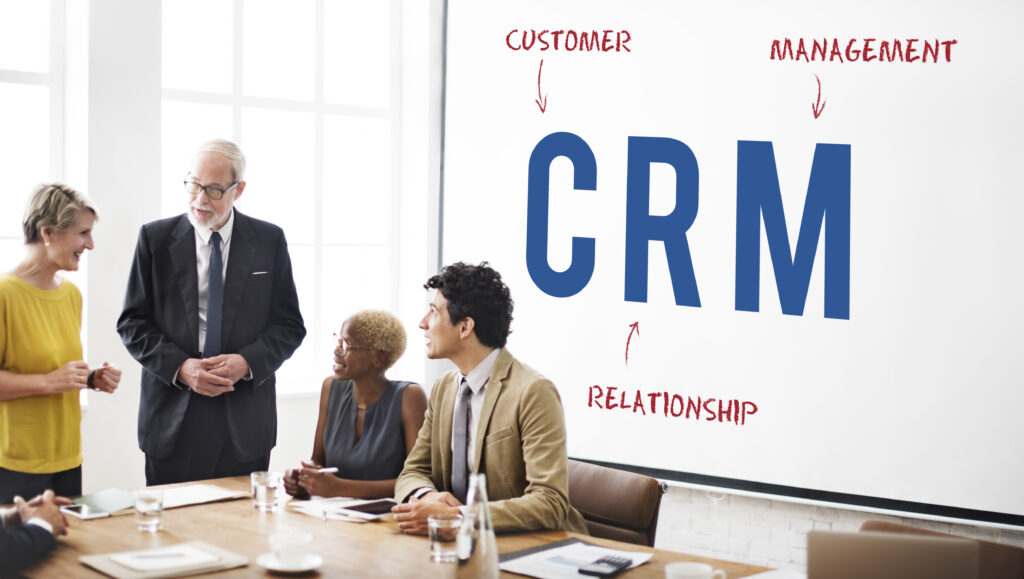
What Should You Expect from an Odoo CRM Implementation Company in Singapore? A Clear Guide for Business Leaders Introduction Choosing an Odoo CRM implementation company in Singapore is one of the most important decisions for any business looking to modernize customer management. A strong partner can accelerate sales, improve workflows, and give your team a unified view of customer behavior. A weak one can delay your project, create errors, and slow down growth. This guide explains what to expect from a reputable CRM implementation company in Singapore. It walks you through the essential qualities, common service standards, expected deliverables, and the questions business owners often ask. By the end, you’ll know how to evaluate the right partner and avoid costly mistakes. What Should You Expect from an Odoo CRM Implementation Company in Singapore? 1. A Clear Understanding of Your Business Needs A professional Odoo CRM partner takes time to understand your sales cycle, customer journey, and performance challenges. They ask questions about your team structure, lead sources, pipeline stages, and reporting needs. You should expect a tailored plan instead of a one-size-fits-all setup. The goal is to make your CRM work around your business, not force your business to fit the CRM. 2. A Structured Implementation Process A dependable Odoo CRM implementation company follows a step-by-step approach, typically including: Requirement gathering Workflow design Customization Integration with other modules Testing and validation Training and onboarding Ongoing support This process reduces risks, keeps timelines on track, and ensures transparency at each stage. 3. Local Expertise and Faster Communication Working with a Singapore-based partner gives you quicker responses, real-time support, and direct communication during working hours. Local companies also understand regional business culture, compliance, and sales practices. Many Singapore businesses choose local Odoo partners because they handle issues quickly and align better with internal teams. 4. Odoo-Certified Experts and Proven Technical Skills A top-tier Odoo CRM implementation company in Singapore offers: Certified Odoo professionals Experience across industries Strong understanding of database structure Skilled Python developers Ability to integrate Odoo CRM with ERP, accounting, HR, or eCommerce Look for a team that can handle both technical and functional aspects. This ensures a smooth, stable, and scalable CRM setup. 5. Customization That Matches Your Sales Process Your CRM should reflect your sales strategy. Expect your partner to customize: Lead capture Scoring rules Pipeline stages Automation workflows Email templates Dashboard metrics The best partners enhance your current sales system rather than replacing it blindly. 6. Reliable Support After Implementation Odoo CRM is powerful, but you’ll need ongoing support as your business grows. A good partner provides: Performance monitoring Quick troubleshooting Periodic upgrades New feature suggestions Staff training refreshers Support ensures your CRM improves over time and adapts as your team expands. 7. Transparent Pricing and Clear Deliverables Expect clear pricing with no hidden add-ons. A professional Odoo partner will share: Scope of work Timeline Cost structure Maintenance plans Training plans Transparency builds trust and prevents misunderstandings. Frequently Asked Questions 1. How long does an Odoo CRM implementation take? A typical CRM setup takes 3 to 8 weeks depending on your customization and team size. 2. Do I need custom development? Not always. Many businesses use standard Odoo features. Customization is only needed when you want unique workflows. 3. Can Odoo CRM integrate with my existing tools? Yes. It can connect with ERP, accounting, eCommerce, WhatsApp, email, and marketing tools. 4. How much does it cost in Singapore? Cost varies based on modules and customization. Most projects fall between small, medium, and enterprise packages. 5. Will my team need training? Yes. Proper training increases user adoption and ensures long-term success. A typical CRM setup takes 3 to 8 weeks depending on your customization and team size. Not always. Many businesses use standard Odoo features. Customization is only needed when you want unique workflows. Yes. It can connect with ERP, accounting, eCommerce, WhatsApp, email, and marketing tools. Cost varies based on modules and customization. Most projects fall between small, medium, and enterprise packages. Yes. Proper training increases user adoption and ensures long-term success. Conclusion Choosing the right Odoo CRM implementation company in Singapore sets the foundation for smoother sales operations and better customer relationships. A reliable partner offers clear communication, strong technical expertise, structured project flow, and ongoing support. When you evaluate potential partners based on the expectations listed above, you give your business a better chance at long-term CRM success. 👉 Schedule your free consultation with ACSEMS today. 📧 Email: techadvisor@acsems.com 📞 Call: +65 6287 6100 💬 WhatsApp: +65 8229 1526 🌐 Website: https://www.odoo-erp.net
AI Workflow Automation: Revolutionizing Modern Business Operations with ACSEMS Technology

AI Workflow Automation: Revolutionizing Modern Business Operations with ACSEMS Technology In today’s fast-paced digital era, businesses are under constant pressure to operate faster, smarter, and more efficiently. Manual processes and traditional systems often fail to meet the speed and accuracy demanded by modern industries. This is where AI Workflow Automation emerges as a powerful solution. By integrating artificial intelligence into daily operations, businesses can streamline tasks, eliminate repetitive work, and significantly boost productivity. At ACSEMS Technology, we specialize in delivering advanced AI-driven automation solutions that empower organizations to transform the way they work. From finance and customer support to marketing, logistics, and HR, AI Workflow Automation is reshaping every business sector. Companies that adopt these intelligent systems experience reduced operational costs, improved decision-making, and a competitive edge in the marketplace. What Is AI Workflow Automation? AI Workflow Automation refers to the use of artificial intelligence systems to automate repetitive, rule-based, and time-consuming business processes. Unlike basic automation, AI-powered systems can learn, analyze patterns, predict outcomes, and adapt over time. This combination of automation and intelligence enables organizations to handle complex workflows with enhanced accuracy and minimal human intervention. With ACSEMS Technology’s customized solutions, companies can seamlessly integrate AI into their existing infrastructure without disrupting day-to-day operations. Why AI Workflow Automation Is Essential for Today’s Businesses The demand for AI Workflow Automation is rapidly rising as organizations aim to increase efficiency and reduce manual dependency. Here are some reasons why: 1. Eliminates Repetitive Tasks Repetitive activities like data entry, reporting, approvals, and scheduling consume valuable employee time. Automating these tasks allows teams to focus on strategy, innovation, and customer engagement. 2. Improves Accuracy Human errors in data processing, calculations, and documentation can be costly. AI ensures consistent precision and eliminates mistakes. 3. Enhances Productivity With tasks handled automatically, workflows move faster, deadlines are met easily, and overall productivity skyrockets. 4. Reduces Operational Costs Automation minimizes the need for manual labor, resulting in reduced costs and better allocation of resources. 5. Enables Smart Decision-Making AI systems analyze large sets of data to provide insights, predictions, and recommendations that help businesses make more informed decisions. 6. Scales Easily As your business grows, AI Workflow Automation scales with you without the need for additional manpower. Key Features of AI Workflow Automation by ACSEMS Technology ACSEMS Technology offers advanced features that help companies automate complex workflows efficiently: 1. Intelligent Data Processing AI systems can extract, validate, categorize, and analyze data from multiple sources with incredible speed and accuracy. 2. Predictive Analytics Using machine learning algorithms, businesses gain forecasts and insights that improve planning and performance. 3. Automated Approvals & Notifications Routine approvals, reminders, alerts, and escalations are managed automatically to maintain a smooth workflow. 4. Natural Language Processing (NLP) AI can interpret written and spoken language, making tasks like email sorting, customer queries, and document analysis effortless. 5. Workflow Customization ACSEMS Technology designs workflows tailored to your processes, ensuring seamless integration into your existing systems. 6. Real-Time Monitoring Businesses can track workflow progress, performance metrics, and bottlenecks instantly. Industries Benefiting from AI Workflow Automation AI Workflow Automation has applications across a wide range of industries: 1. Finance Automated invoicing Fraud detection Expense approvals 2. Healthcare Appointment scheduling Patient data processing Digital records management 3. Retail Inventory tracking Supply chain automation Customer insight generation 4. Manufacturing Production scheduling Quality control Predictive maintenance 5. Real Estate Lead management Property data analysis Contract drafting automation 6. IT & Technology Automated support tickets Security monitoring System optimization ACSEMS Technology customizes its solutions to match the unique needs of each sector, ensuring maximum impact and value. Benefits of AI Workflow Automation for Modern Businesses The advantages of integrating AI Workflow Automation into your business are extensive: 1. Accelerated Business Processes AI eliminates slow, manual steps and enhances overall speed, which leads to faster project completion and improved customer satisfaction. 2. Improved Employee Satisfaction Teams no longer have to handle monotonous tasks and can focus on meaningful work, boosting morale and creativity. 3. Enhanced Customer Experience Faster responses, accurate information, and personalized interactions significantly improve customer satisfaction. 4. Better Compliance and Record-Keeping AI ensures consistent documentation and compliance with regulations, reducing risks and penalties. 5. Increased Profitability Lower costs, higher productivity, and improved efficiency all contribute to better business profitability. Why Choose ACSEMS Technology for AI Workflow Automation? ACSEMS Technology stands out as a leader in AI-driven solutions due to its focus on precision, customization, and innovation. Here’s why businesses trust us: Tailored AI Solutions We do not offer one-size-fits-all automation. Our team studies your processes and builds custom AI workflows that align perfectly with your business goals. End-to-End Support From initial consultation to deployment, training, and ongoing maintenance, ACSEMS provides comprehensive support. Advanced Technology Stack We use cutting-edge AI models, machine learning algorithms, and automation tools to deliver powerful results. Reliable and Scalable Systems Our automation solutions are built for long-term performance and are easily scalable as your business grows. Proven Expertise With years of experience, ACSEMS Technology has delivered successful automation solutions for various industries. The Future of Business Lies in AI Workflow Automation As industries become more competitive, AI Workflow Automation will no longer be an option—it will be a necessity. Businesses that implement AI today will gain a long-term advantage in speed, innovation, and efficiency. By partnering with ACSEMS Technology, you gain access to smart automation tools that simplify operations, enhance decision-making, and dramatically improve business performance. Conclusion AI Workflow Automation is transforming how businesses operate by eliminating repetitive tasks, improving accuracy, and enabling faster decision-making. With the rise of digital transformation, companies must adopt AI-driven solutions to stay competitive. ACSEMS Technology provides advanced, customized automation services that help organizations streamline workflows and achieve greater productivity. Whether you want to enhance your internal processes, improve customer service, or boost profitability, AI Workflow Automation is the key to success. With ACSEMS Technology by your side, your business is future-ready. Your business deserves more than fragmented systems and spreadsheets. With ACSEMS Technology PTE Ltd, you gain a partner
How the Best Odoo Partner in Singapore Can Help You Scale Faster

How the Best Odoo Partner in Singapore Can Help You Scale Faster Introduction In Singapore’s competitive business environment, scaling quickly is no longer just about having a good product or service—it’s about how efficiently your operations can adapt to growth. Enterprise Resource Planning (ERP) systems like Odoo play a key role in achieving this. But having the software alone isn’t enough; success depends on choosing the best Odoo partner in Singapore to guide implementation, customization, and ongoing support. A trusted Odoo partner helps transform your business processes, automate daily tasks, and improve collaboration across departments. This combination of technology and expertise accelerates your ability to scale and gives you the agility to respond faster to changing market demands. How the Best Odoo Partner in Singapore Helps Your Business Grow Working with the right Odoo partner can make the difference between a system that simply runs and one that drives growth. The best Odoo partner in Singapore focuses on aligning Odoo’s powerful capabilities with your specific business objectives. A professional partner begins by analyzing your business workflows to identify gaps, inefficiencies, and growth barriers. Based on this understanding, they customize Odoo modules—such as Sales, CRM, Inventory, Accounting, and HR—to work together seamlessly. This tailored approach ensures that all departments are connected through a single platform, enabling better coordination and faster decision-making. As a result, businesses often see a 30–40% improvement in process efficiency within months of implementation. Tasks that once required hours of manual work are automated, reports are generated instantly, and key insights are available in real time. Customization and Integration That Drive Results Off-the-shelf ERP systems often fail because they don’t fit how businesses actually operate. The best Odoo partner in Singapore solves this problem by offering deep customization and third-party integrations. Whether you need a custom dashboard, a localized accounting module compliant with Singapore’s tax laws, or an integration with existing tools like Shopify, Xero, or WooCommerce—your Odoo partner ensures every piece fits perfectly. This integration eliminates data silos, reduces redundancy, and allows management to track business performance through a single, unified view. By connecting your data across sales, finance, and inventory, you get a clearer picture of your operations, helping you forecast demand, manage costs, and plan growth strategies effectively. Expert Guidance and Local Knowledge Scaling fast requires not just technology but also expertise. The right implementation partner brings both to the table. They understand local business practices, tax regulations, and compliance requirements—ensuring your ERP system supports your operations from day one. Beyond implementation, a top-tier Odoo partner provides end-to-end support, including employee training, maintenance, and upgrades. They help your team adapt to new systems smoothly and make the transition to digital operations easier. Continuous optimization ensures your ERP grows alongside your business, keeping you ahead of competitors. Data-Driven Insights for Smarter Scaling When scaling a business, every decision matters. Odoo’s real-time analytics and customizable reports help leaders make informed choices based on accurate data. The right Odoo partner ensures these reports reflect the KPIs that matter most to your business—be it revenue, sales pipeline, production costs, or delivery timelines. A well-configured Odoo system turns raw data into actionable insights. Rather than waiting for issues to arise, you can stay ahead of them. For example, automated notifications can identify stock shortages before they impact sales or remind your team about pending invoices to keep cash flow steady. This proactive control is what enables businesses to scale faster and smarter. Automation That Saves Time and Boosts Productivity Manual work slows growth. Automation accelerates it. With Odoo, you can automate repetitive processes like order tracking, billing, payroll, and email follow-ups. A skilled Odoo partner ensures these automations are set up strategically—saving hours of work and reducing human error. This allows your team to focus on high-value activities such as customer engagement, product development, and strategic planning. Businesses that implement Odoo automation report an average 25% increase in productivity, giving them a significant edge in a fast-paced market like Singapore. Ensuring Long-Term Scalability and ROI Scalability is built into Odoo’s modular structure, but it takes an experienced partner to implement it effectively. As your business expands—whether by adding new product lines, opening branches, or entering global markets—your Odoo partner ensures the system evolves with you. They help you add new modules, update workflows, and optimize performance without disrupting daily operations. The best Odoo partner doesn’t just focus on implementation but on delivering measurable return on investment (ROI). Their goal is to make sure your ERP continues to add value long after the setup is complete. Most Asked Questions When Choosing an Odoo Partner in Singapore 1. Why is choosing the right Odoo partner so important? Because implementation quality determines your ERP’s performance. The best Odoo partner ensures customization, integration, and training are handled efficiently for lasting results. 2. How long does it take to see benefits after implementation? Most businesses begin seeing measurable efficiency and productivity improvements within three to six months. 3. Can small and medium businesses benefit from Odoo? Absolutely. Odoo’s modular design allows small and mid-sized businesses to start with essential modules and scale as they grow. 4. How does Odoo help with compliance in Singapore? The best Odoo partner customizes financial modules to comply with Singapore’s accounting and tax regulations, including GST requirements. 5. What kind of support do Odoo partners provide after implementation? They offer continuous technical support, version upgrades, training sessions, and system monitoring to ensure smooth performance. Because implementation quality determines your ERP’s performance. The best Odoo partner ensures customization, integration, and training are handled efficiently for lasting results. Most businesses begin seeing measurable efficiency and productivity improvements within three to six months. Absolutely. Odoo’s modular design allows small and mid-sized businesses to start with essential modules and scale as they grow. The best Odoo partner customizes financial modules to comply with Singapore’s accounting and tax regulations, including GST requirements. They offer continuous technical support, version upgrades, training sessions, and system monitoring to ensure smooth performance. Conclusion Scaling a business in Singapore